




 Back
Back

Our Packaging is Compostable
He wairākau ā mātau putunga
Our packaging is made in NZ from sustainably-produced wood pulp and GM-free corn sources, and meets international composting standards
Find out how


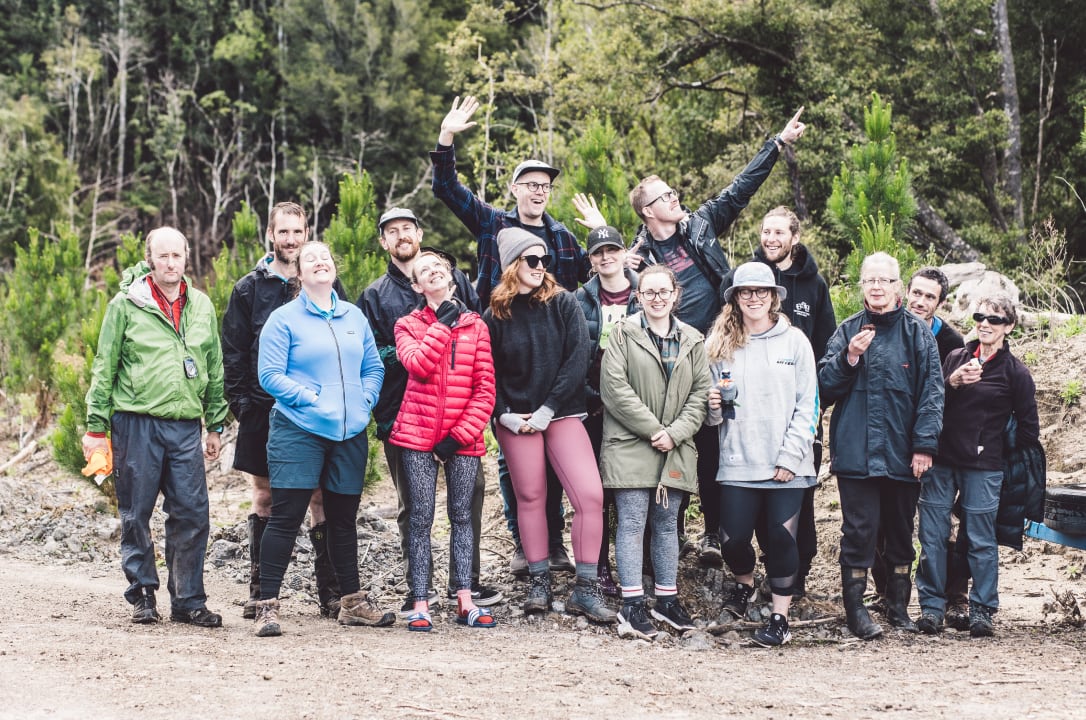
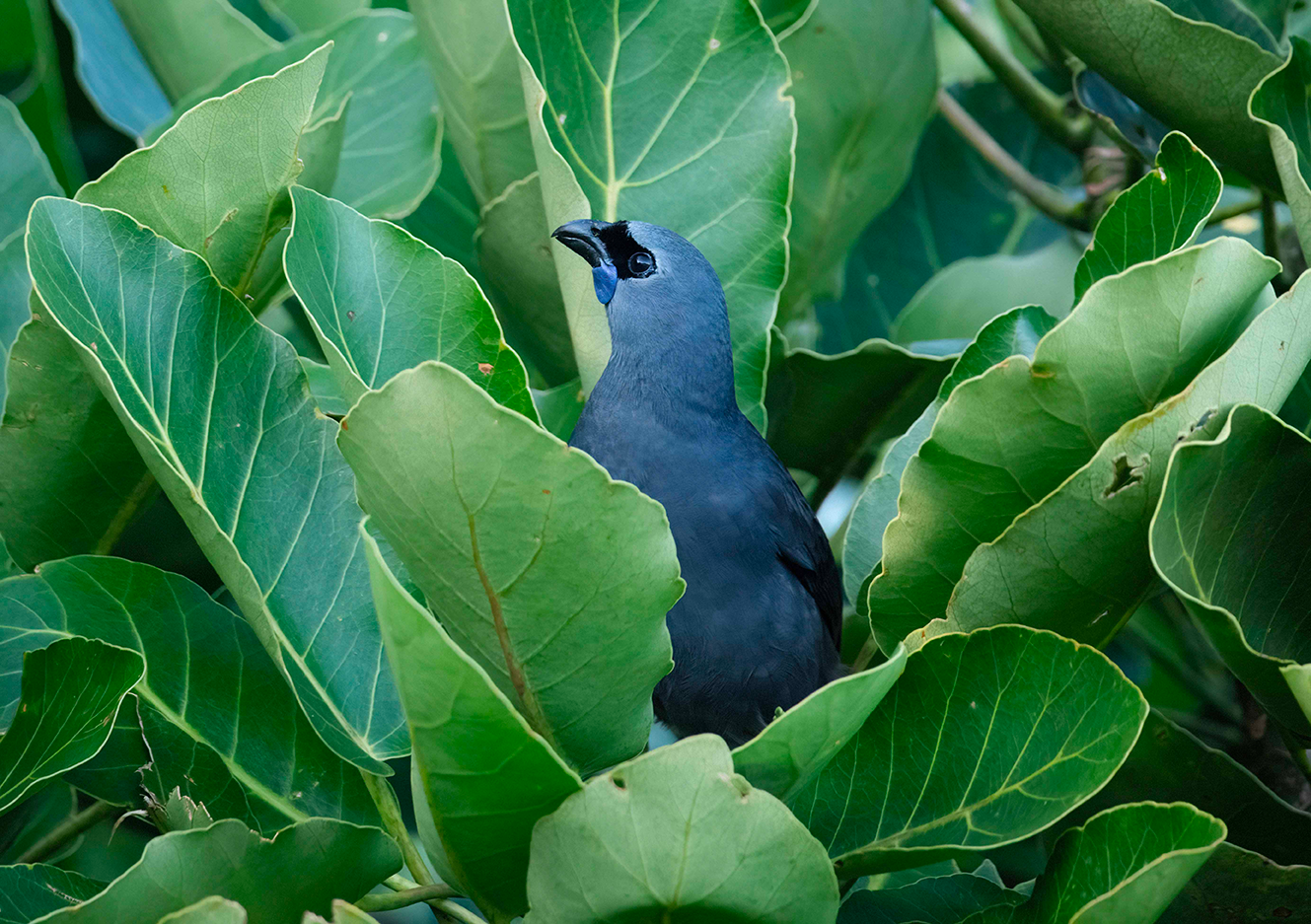
Help us raise funds for the Rotoehu Ecological Trust and Kōkako Ecosanctuary so that they can continue their conservation work to bring this beautiful bird back from the brink of extinction.



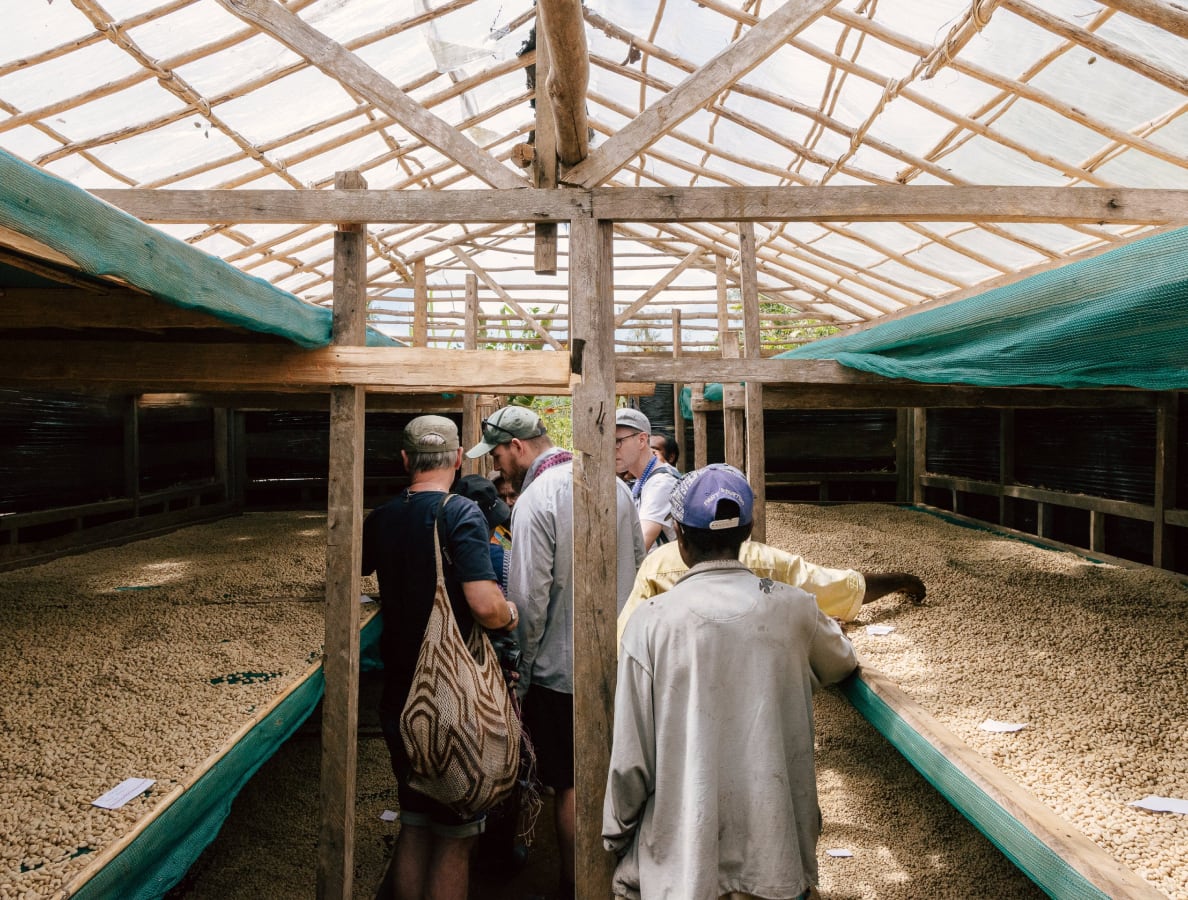
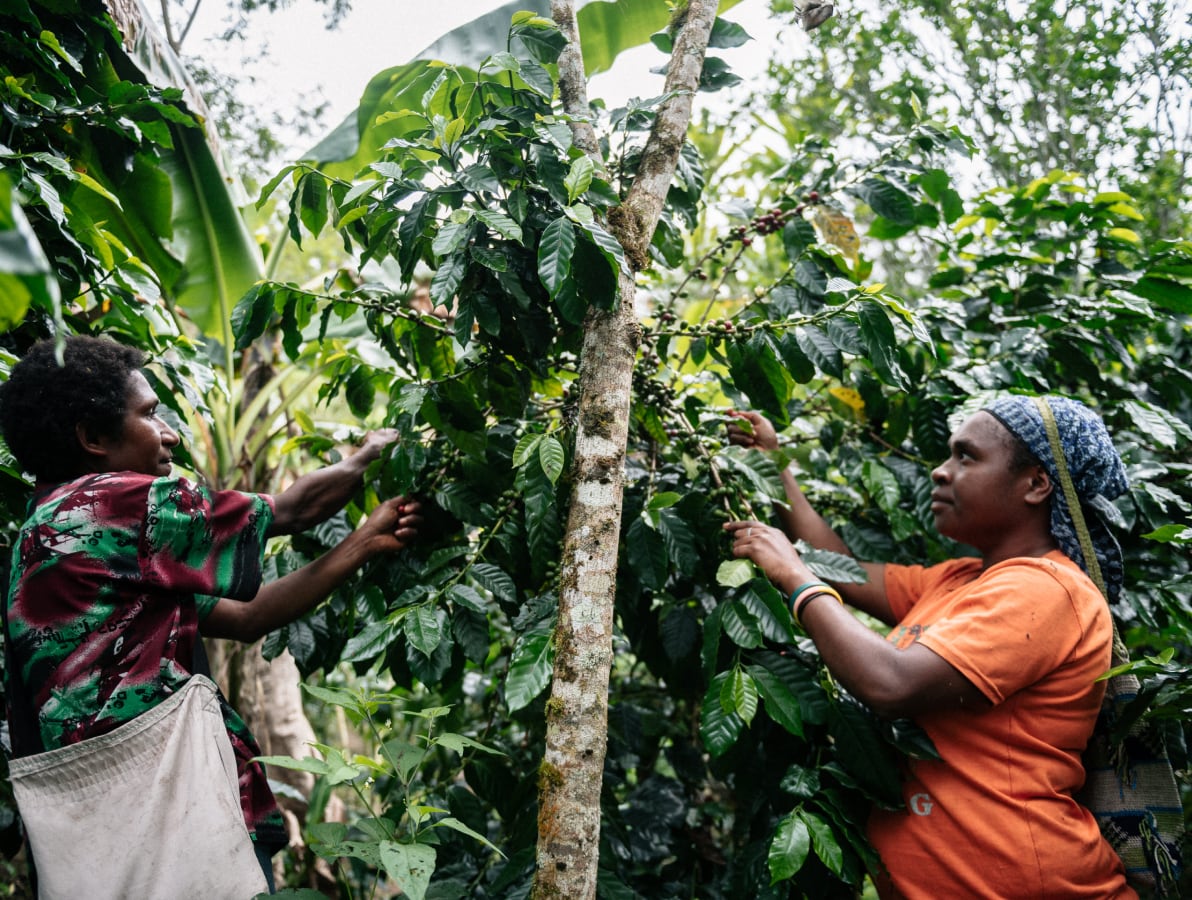
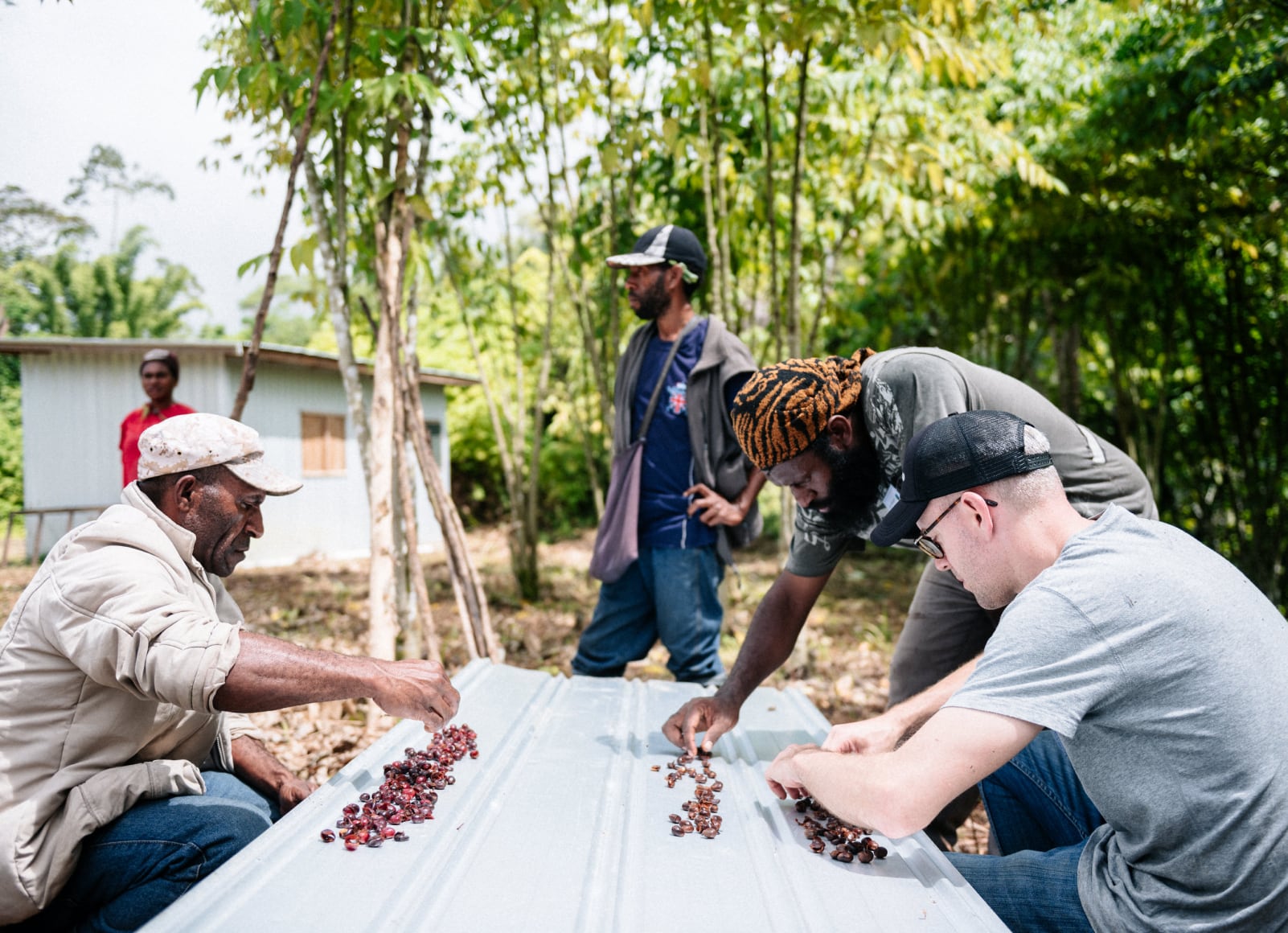
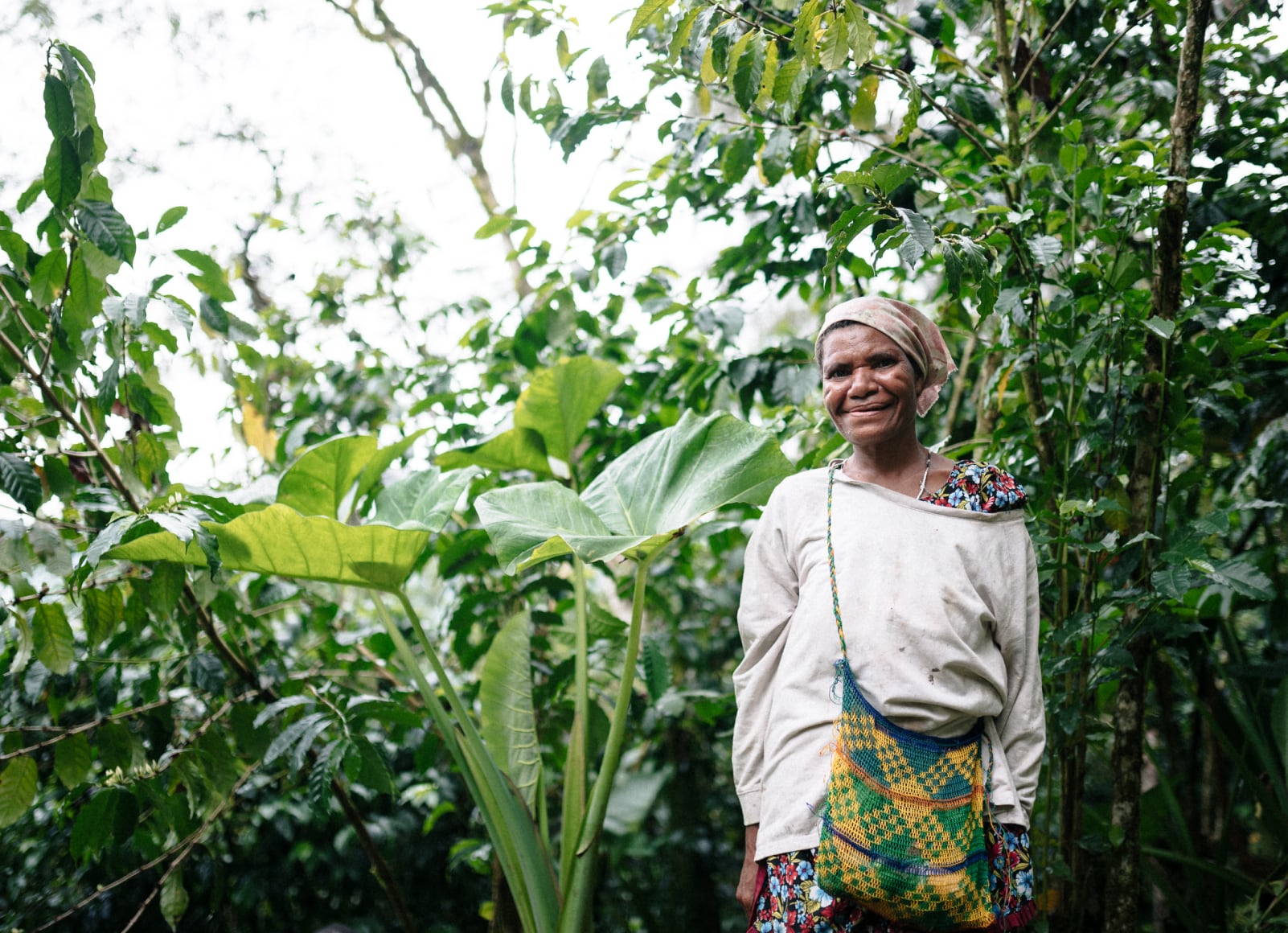
Fairtrade is 50% owned by farmer and worker organisations, meaning the people who need the system most have a say in how it works. The New York stock exchange determines the price of green beans (pre-roasted coffee)—when the price is low, farmers are protected by the Fairtrade Minimum Price. When it’s high, they reap the rewards. Annual licensees, like us, also pay a Fairtrade Premium, which goes directly to the cooperatives we work with.
You can read our 2025 Fairtrade Impact report here.
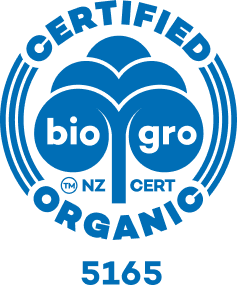
BioGro is NZ’s best known third-party organic certification body. Their mark signifies that all our coffee and drinking chocolate is grown in GMO-free and pesticide-free soils; a holistic style of farming where the health of the soil, environment and people are prioritised.
Our packaging is made in NZ from sustainably-produced wood pulp and GM-free corn sources, and meets international composting standards
Find out how
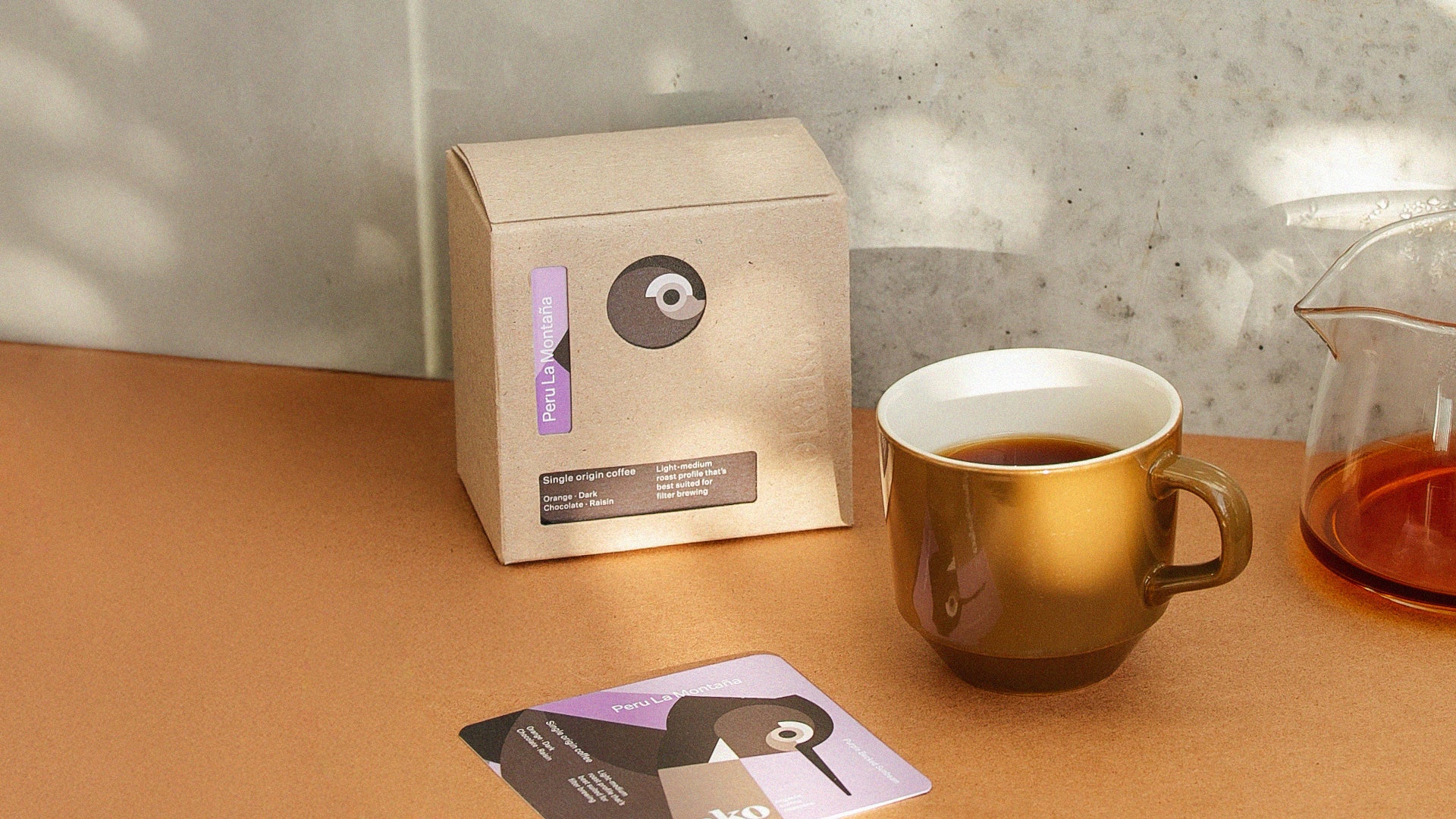
We’ve made a commitment to roast coffee in a way that’s better for people and the planet, but it’s no good just taking our word for it. We started our biennial sustainability reports to track our progress and hold ourselves accountable. If that sounds like your kind of read, then grab a coffee and pull up a pew.
Just landed: our latest Sustainability Report.




korr
kar
kor
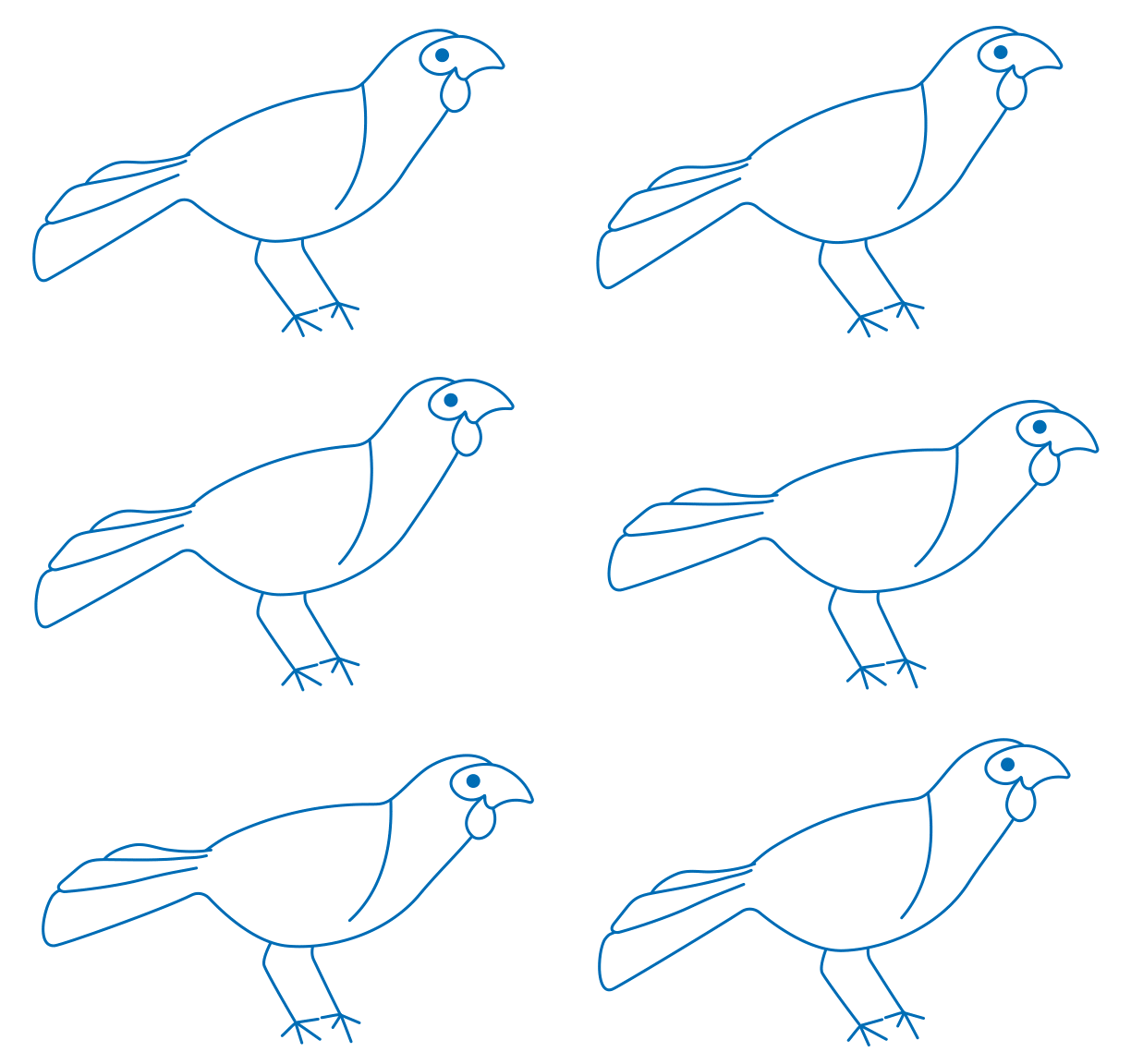
The North Island kōkako is an endemic New Zealand wattlebird that has spent a good part of the last twenty years clawing its way back from the brink of extinction—a fate it’s South Island counterpart is thought to have already faced.
In the early days we were always surprised when we met someone who had never heard of the kōkako, especially as they’ve been on NZ’s $50 note since the 90s. That hardly ever happens nowadays. After a lot of hard work by the many kōkako recovery groups across Te Ika a Maui, the ‘grey ghost’ is thankfully considered ‘At Risk—Recovering’.
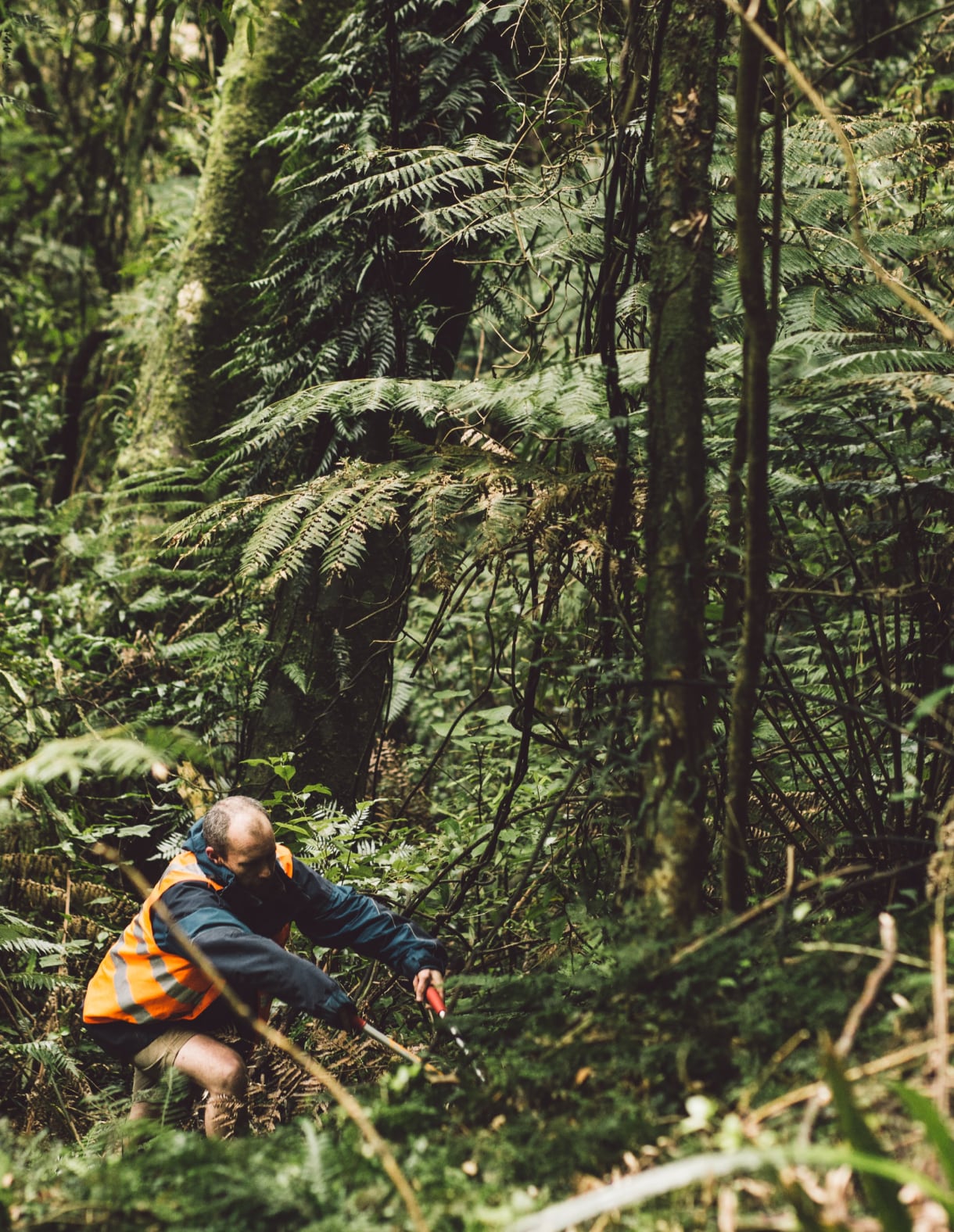
Over the years, we've supported kōkako recovery projects both financially and by getting our hands dirty at workdays. Today we work closely with the Rotoehu Ecological Trust (RET) and the Kōkako Ecosanctuary.
Head over to their website to learn more about what they do and find out how to get involved in one of their upcoming workdays.



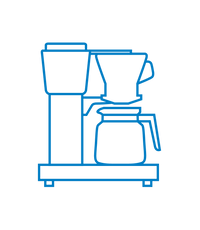


Picking the best grind for your coffee brew
Best option if you have a home grinder
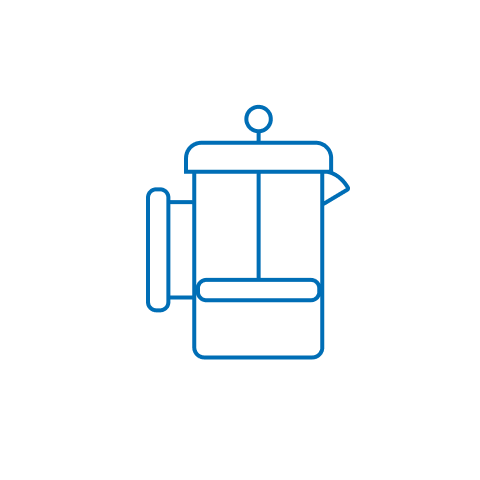
Best for plungers, cold brew coffee pots and Clever Drippers
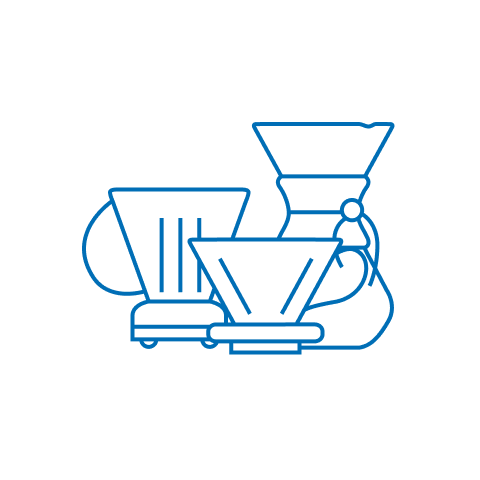
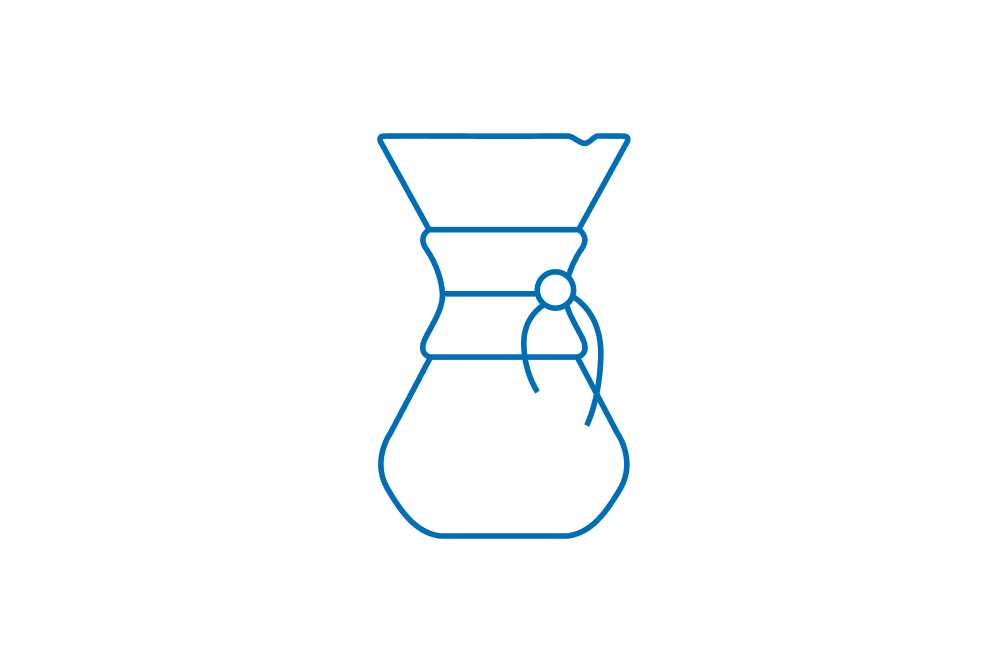
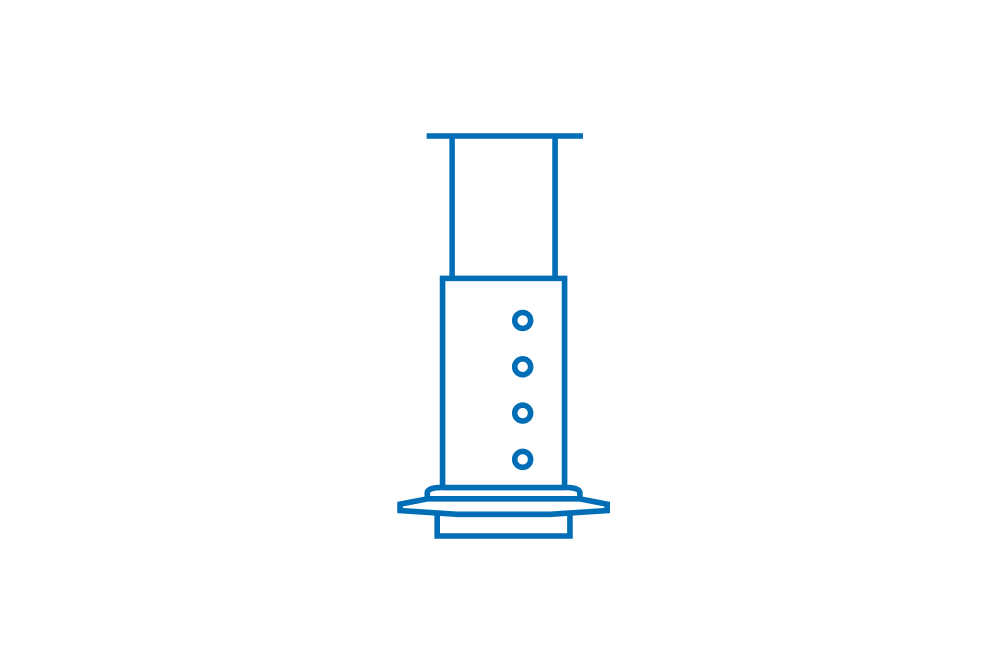
Best for Chemex, V60 and AeroPress
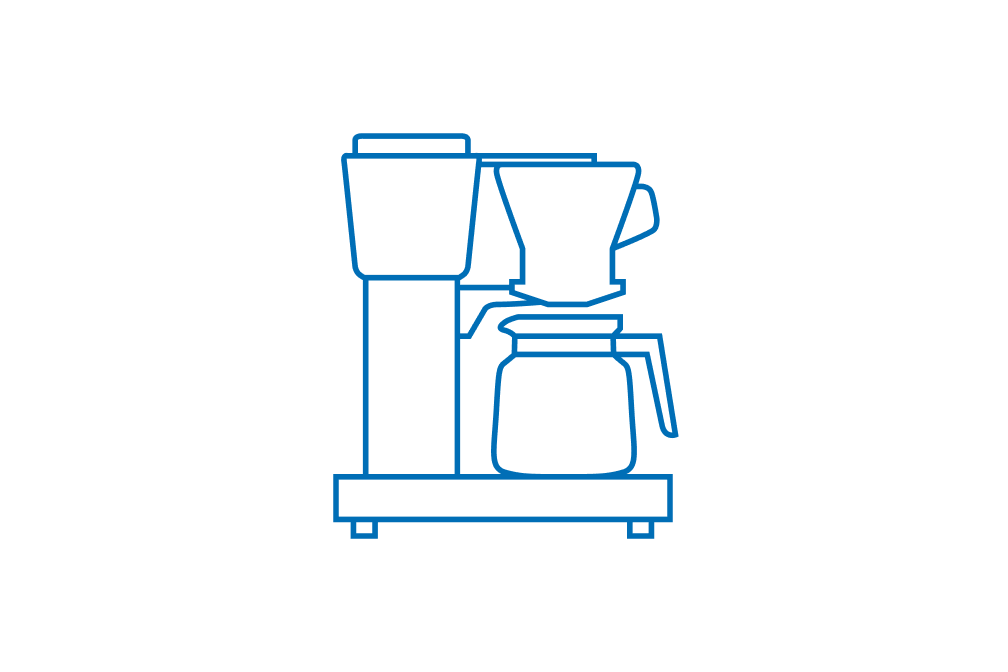
Best for Moccamaster
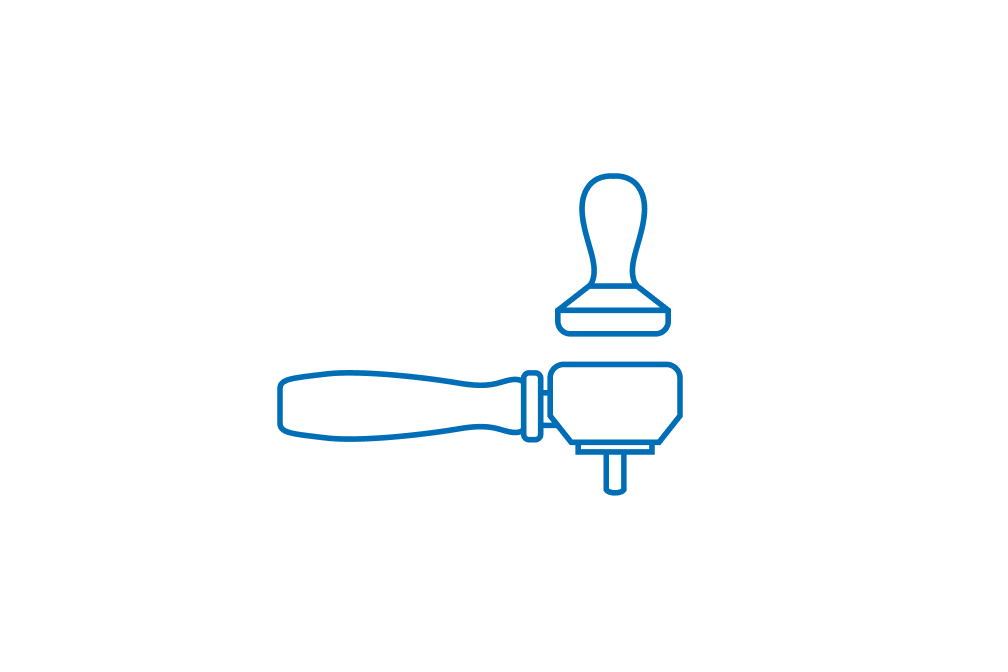
Best for home espresso machines and refillable pods
All the gear but no idea? We'll teach you how to make a barista-worthy brew with whatever you're working with.
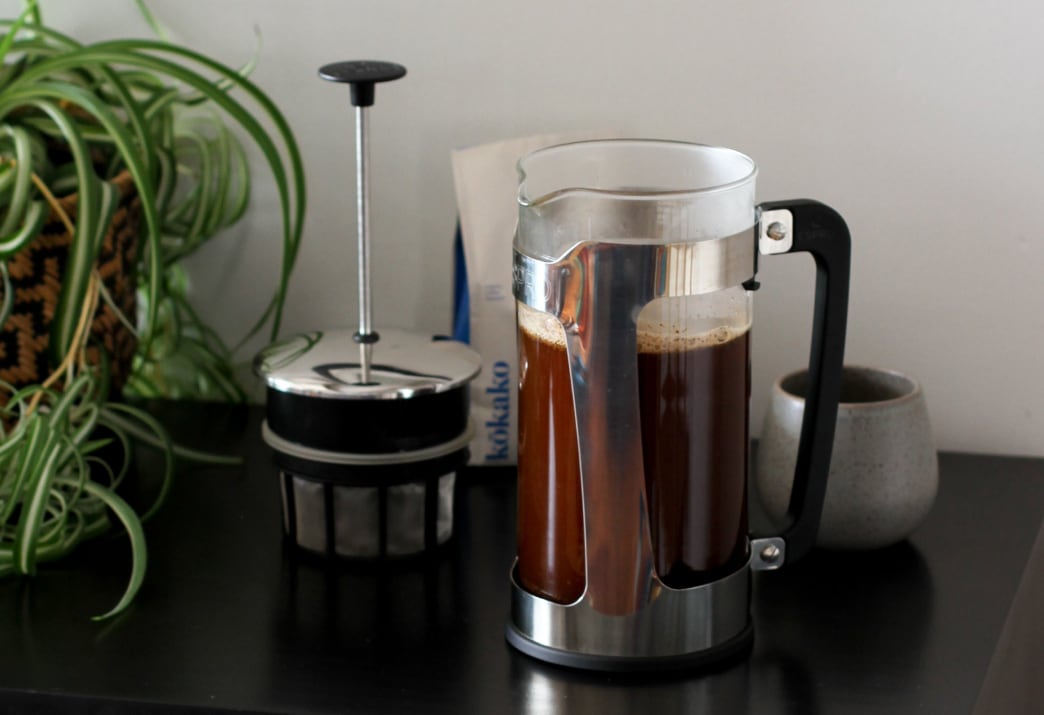
Plungers may appear very straightforward to use. However, a little understanding of the right technique and a well-chosen coffee can turn a plain cup of coffee into an immensely enjoyable one! We have prepared these instructions to help you get the most out of your coffee.
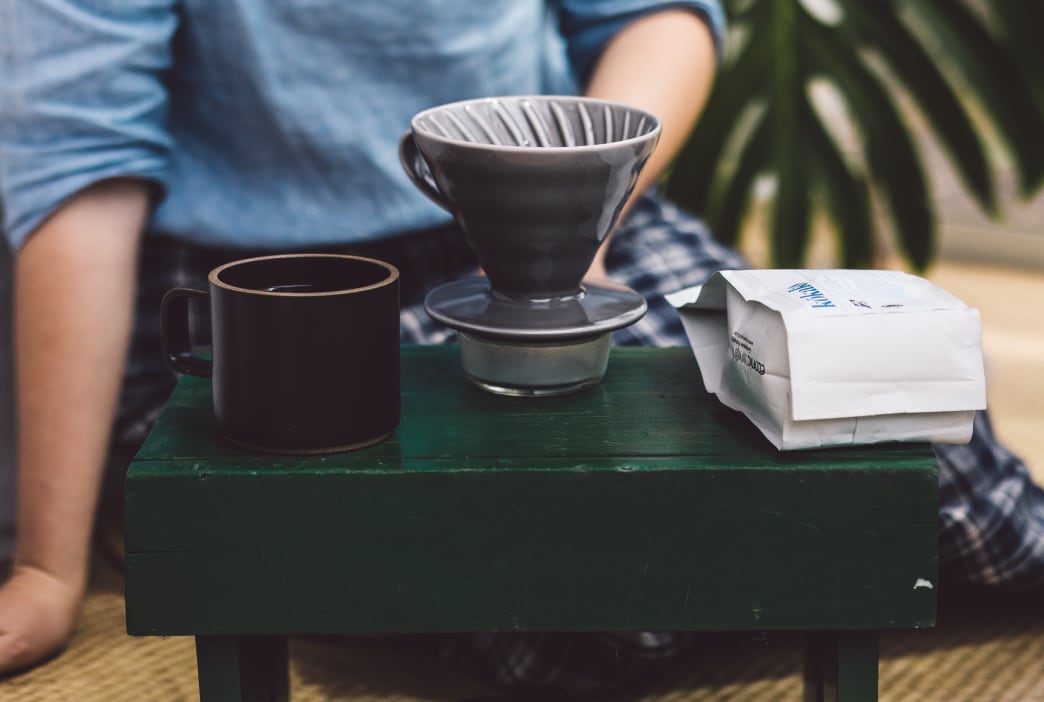
The V60’s name comes from vector 60, the 60° angle of its cone, and is made by the famous Japanese glassware brand, Hario. The V60 was first introduced in glass and ceramic, then plastic, and finally in metal. The V60 is carefully designed with a cone shape, spiral ribs, and a large single hole to drip through — these factors make the brewer more responsive to water flow and grind size than any other on the market, meaning the user has more control over the brewing process.
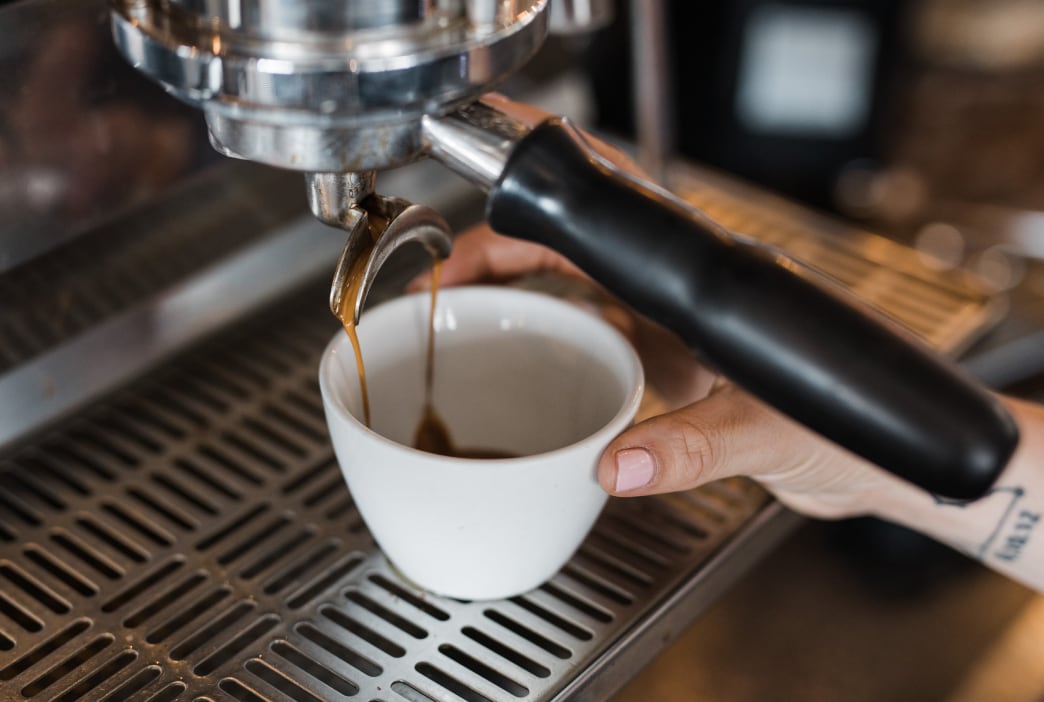
It is possible to recreate your favourite barista made flat white, long black, or any other espresso based drink on a home espresso machine! Though baristas often go through rigorous training and spend many hours a week behind the machine to perfect their technique, below are the basics of making a double shot of espresso on an espresso machine. Every machine works differently, producing varying results, however these are the recipes and basic steps we use to prepare espresso.
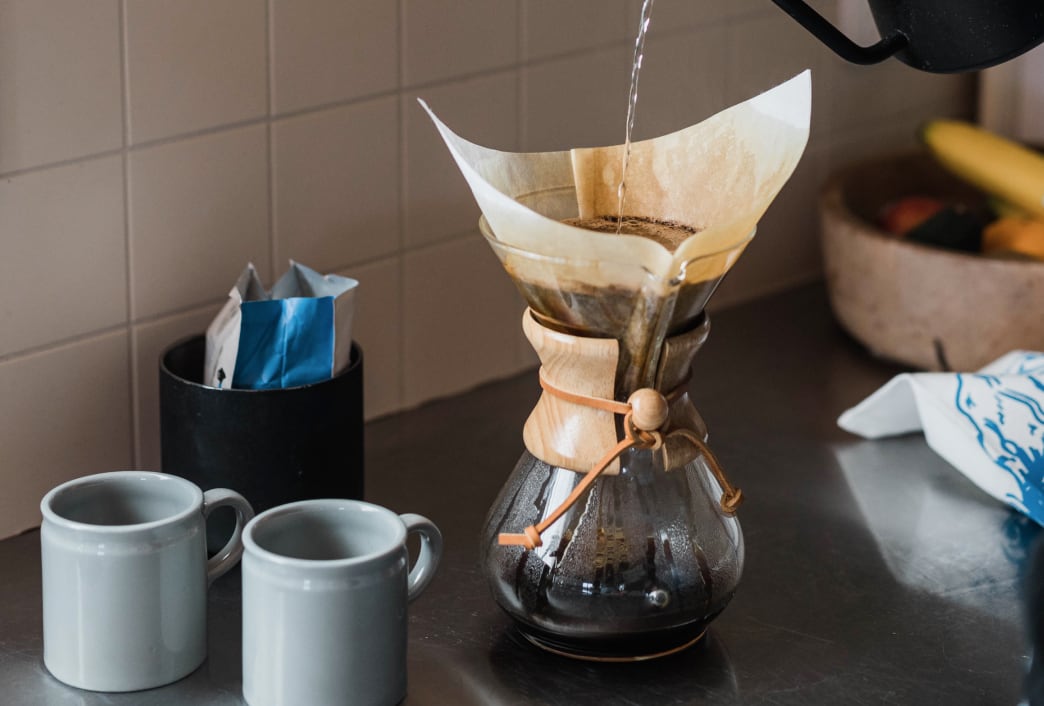
The Chemex was invented in 1941 by chemist Dr. Peter Schlumbohm—his focus was on making everyday objects not only functional, but attractive and enjoyable to use. He was clearly successful in this vision; the Museum of Modern Art displayed it as one of the best-designed products in 1943, and coffee makers to this day love the aesthetics of this brewer.
The secret to the clarity in a Chemex cup is in the heavy paper filter which traps bitter fats and oils, resulting in a cup which is light, bright and delicately nuanced.
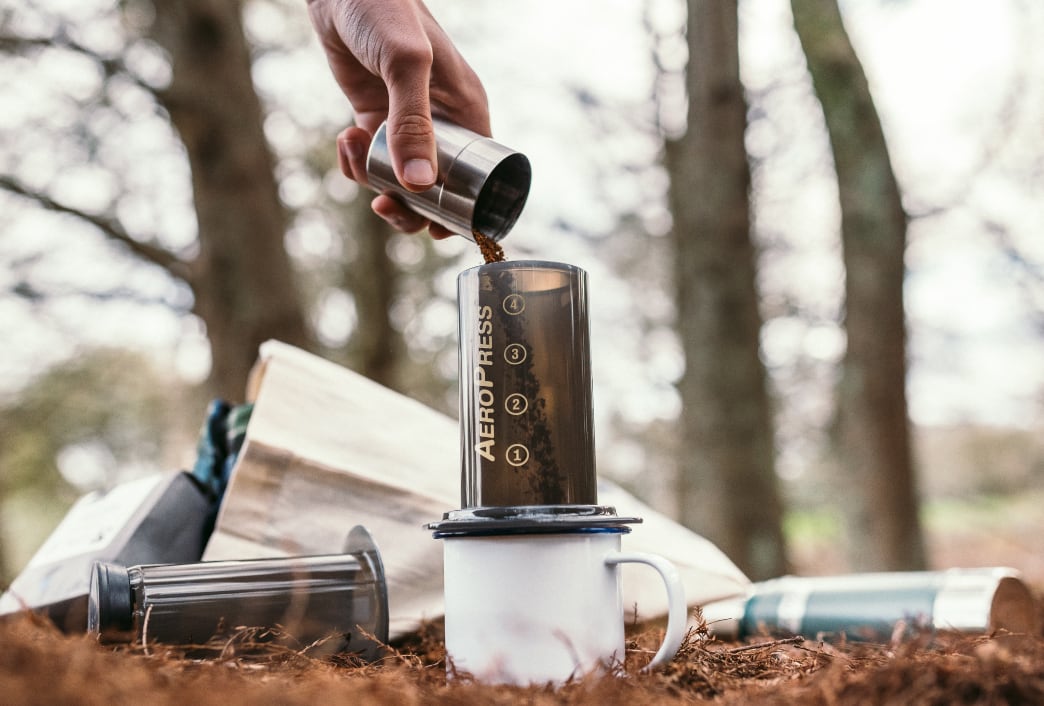
The AeroPress was invented in 2005 by Alan Adler, the creator of the Aerobie throwing ring—hence the name. It is a portable coffee brewer that many coffee professionals take with them when they travel around the world. When you factor in the full-bodied flavour that can be achieved through the AeroPress and the ease of cleaning, it is easy to see why this coffee brewer has such a dedicated following.
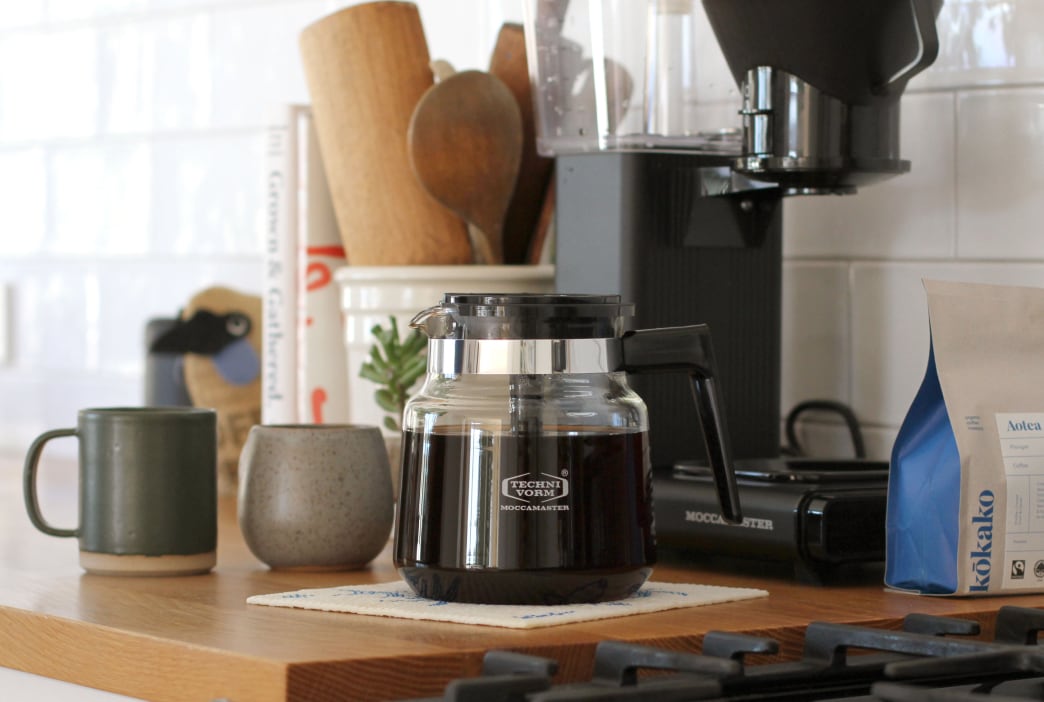
The Moccamaster is made by Technivorm, a Dutch manufacturer founded in 1964. Each unit is hand made and assembled, with many new versions made over the years to create various colourways and shapes. The Moccamaster brews 1.25l of delicious filter coffee, quietly and efficiently, in under 6 minutes — straight into its glass carafe. Simple to use, you can even get the brew started and walk away if you’re a busy household, the Moccamaster does the pouring for you!
Cold brew is one of the easiest and cost-effective ways to make several cups of delicious coffee, which can be kept in the fridge for days. Cold brew, as the name suggests, is never exposed to heat. Steeping coarse ground coffee in cold water for 12—24 hours produces a light and delicate beverage, low in acidity, designed to be served over ice or with your choice of milk.
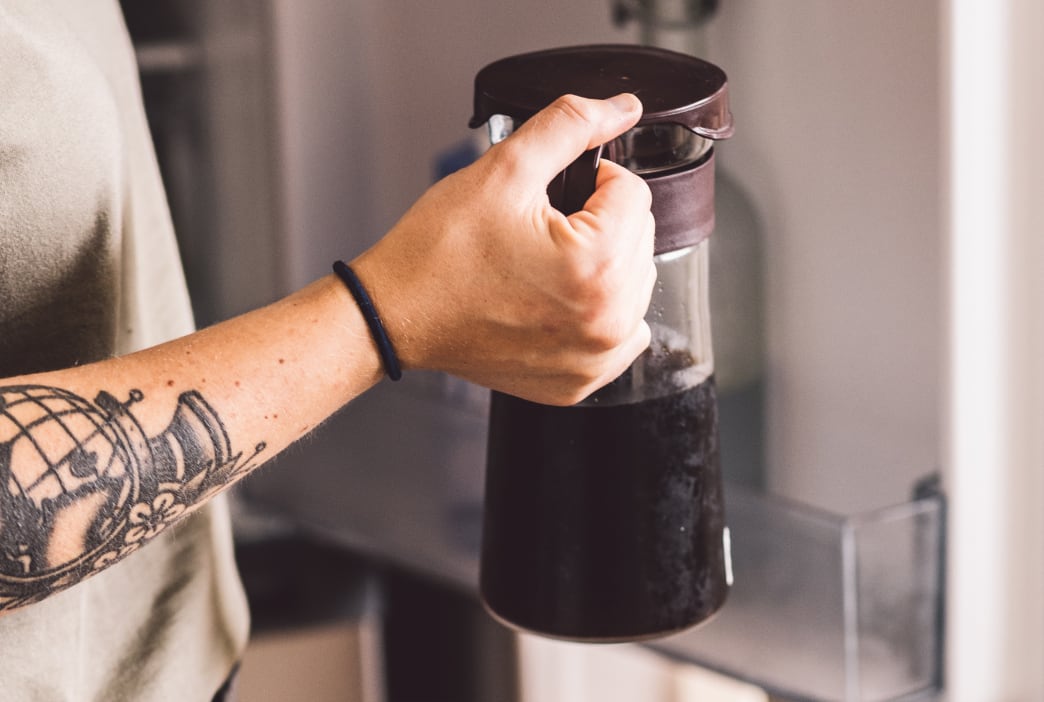
For a 1l cold brew maker, follow this same guide, but using 85g of freshly ground coffee to 1l of cold filtered water. Bloom with 200g of water, then add the remaining 800g.
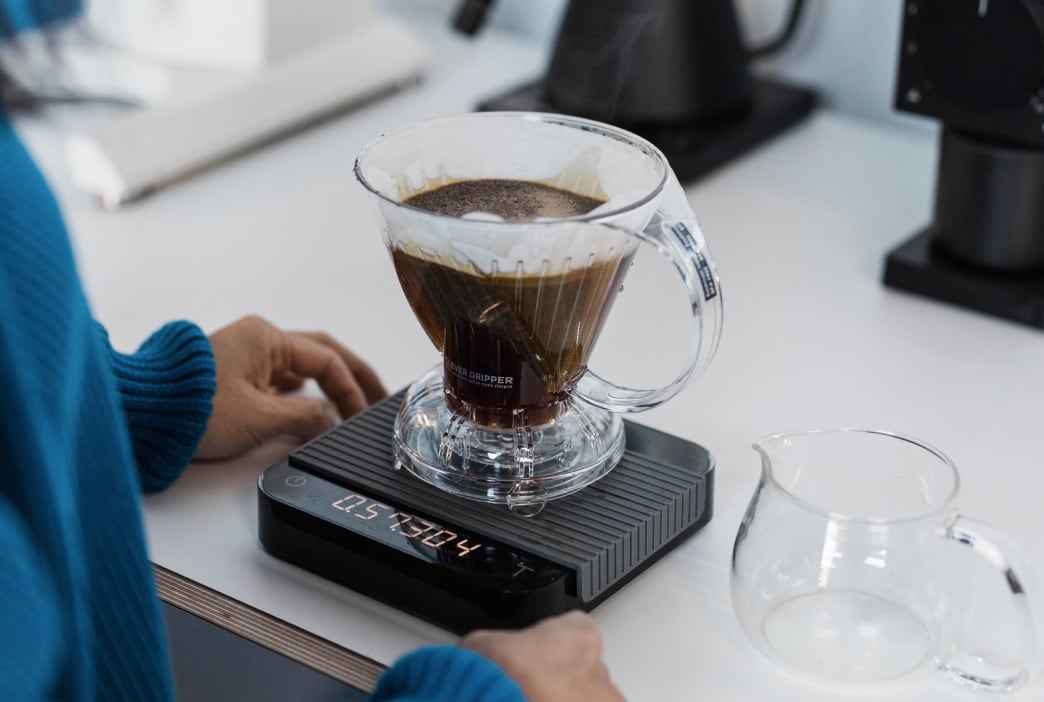
The Clever Dripper’s design and functionality sits it somewhere between a plunger and a pour over brewer – it is an immersion brewer, which has a unique valve underneath, allowing control of water flow. This achieves both a full-bodied and clean cup – the best of both worlds in one very easy to use brewer.
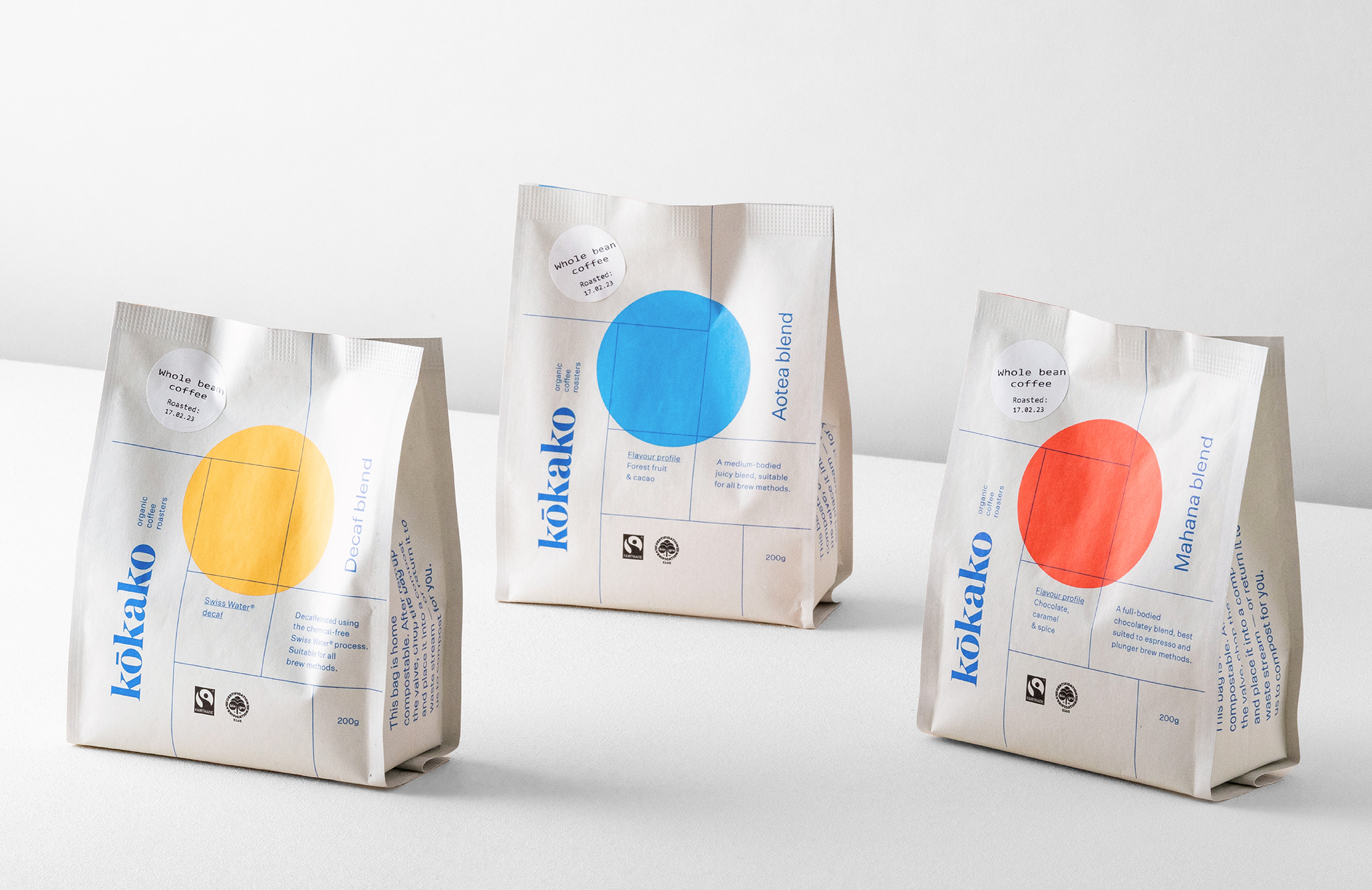
All of our coffee bags are compostable. You can either return your empty bags to us to compost for you, or you pop them in your compost at home. If you are going to compost at home, here are a few tips:
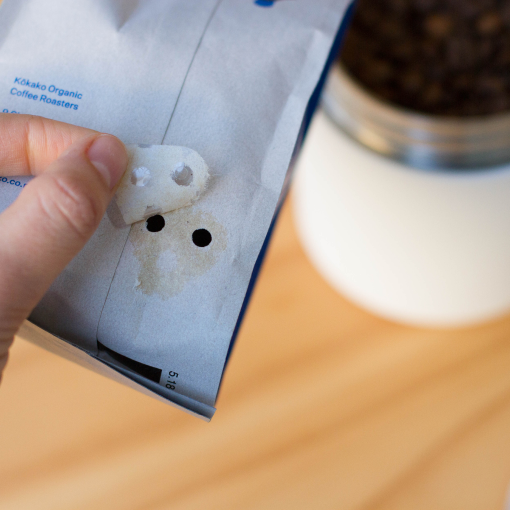
Remove the one-way valve and throw this in your landfill bin.
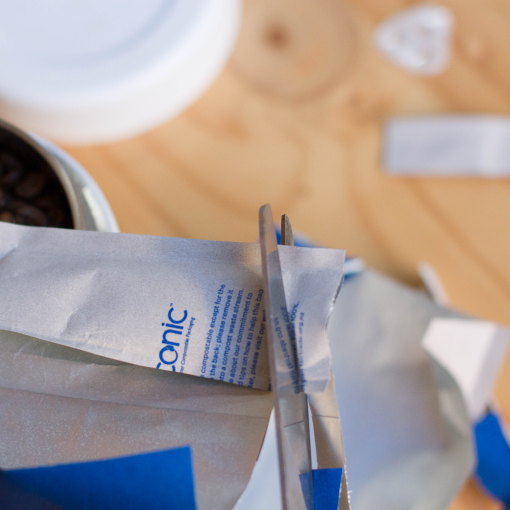
Chop the bag up – the smaller the pieces, the faster it’ll break down.
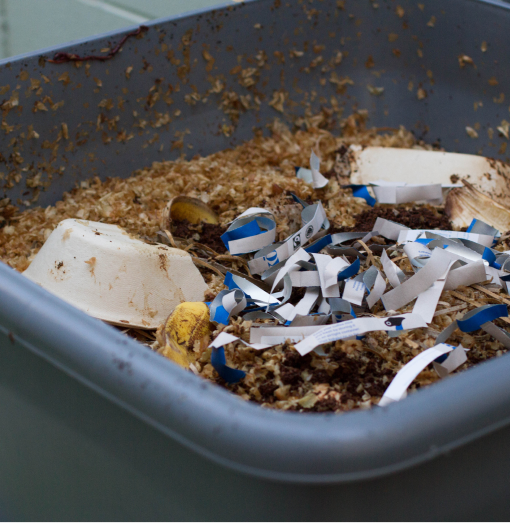
Mix into your compost bin.
Our packaging is made in NZ from sustainably-produced wood pulp and GM-free corn sources, and meets international composting standards.